Why Influencer Marketing
Is Important for Brand Awareness
Date:
21 April 2026
Built on vision, driven by clarity — meet the duo turning bold ideas into lasting impact.
Ever noticed how some brands keep showing up everywhere while others barely get a second glance? You could be posting consistently, running ads, and still not seeing real results. The truth is, people don’t respond to promotions the way they used to. They scroll past and move on without thinking twice.
But they do pay attention to the people they trust. In fact, studies show that around 61% of consumers trust recommendations from influencers more than branded advertising, and about 40% of people have bought a product after seeing it used by an influencer on social media. That’s where influencer marketing comes into the picture—when a familiar face talks about a product, it feels less like selling and more like a helpful suggestion.
In this blog, we’ll look at how that simple shift helps brands get noticed, build trust, and stay in people’s minds.
What is Influencer Marketing?
Influencer marketing or creator partnerships is a way for brands to collaborate with creators who have built a strong and trusting relationship with their audience. Instead of promoting a product directly, the brand is introduced through content that feels natural to the creator’s style.
You’ll usually see these collaborations on platforms like Instagram, YouTube, or LinkedIn, where people follow creators for their insights, experiences, or everyday content. When a product is shared in that context, it doesn’t come across as a typical ad. It feels more like a genuine recommendation.
Because when the audience already values the creator’s opinion, the brand’s message lands more easily. It feels familiar, relatable, and far less intrusive than traditional advertising.
Importance of Influencer Marketing
Influencer marketing plays a key role in how brands build visibility today. The way people discover, trust, and engage with content has changed dramatically online, and creator partnerships reflect that shift.
• Influencer recommendations are trusted more than traditional ads by 69% of consumers, which helps brands build trust quickly.
• Around 50% of marketers say influencer marketing allows them to reach niche audiences more effectively than other channels.
• Influencer campaigns generate twice the impressions of organic brand posts, making the reach more efficient.
• Content from influencers sees 60% higher engagement compared to typical brand-created content, driving stronger interaction.
• Nearly 63% of consumers report that influencer endorsements increase their awareness of new brands.
• Influencer content helps brands connect with modern buying behaviours, with about 40% of consumers saying they’ve purchased after seeing influencer recommendations.
• Over 59% of marketers use influencer marketing primarily for brand awareness purposes.
• Influencer posts reach 2.5 times more unique users than brand posts on average, expanding visibility effectively.
These statistics make influencer marketing a practical and effective way to stay relevant. Brands that use it thoughtfully tend to build stronger awareness and deeper connections over time.
Types of Influencers
Influencers are grouped by audience size and the type of connection they share with their followers. Each type brings a different advantage, so the right choice depends on what your brand is trying to achieve.
Mega Influencers
These are creators with audiences in the millions, often including celebrities or well-known public figures. They help brands gain instant visibility at a large scale, especially for big launches or mass awareness campaigns. However, the engagement can sometimes feel less personal since the audience is very broad and diverse.
Macro Influencers
Macro influencers usually have between 100,000 to 1 million followers. They are popular within specific categories like fashion, fitness, tech, or business. Their content still reaches a wide audience, but there is a better balance between reach and engagement, making them suitable for brands looking for both visibility and some level of connection.
Micro Influencers
These creators typically have between 10,000 to 100,000 followers and focus on a particular niche. Their audience follows them for specific interests, which makes their recommendations more relevant. Because of this, they often see higher engagement and stronger trust, making them effective for targeted campaigns.
Nano Influencers
Nano influencers have a smaller audience, usually under 10,000 followers, but their connection with followers is very strong. Their content feels personal, and their recommendations often come across like genuine suggestions from someone you know. This makes them ideal for local brands or businesses looking to build credibility within a close-knit community.
The choice depends on what matters more for your brand at a given time. Larger influencers help you get seen faster, while smaller ones help you build trust that lasts longer.
Top 5 Benefits for Brand Awareness
Influencer marketing plays a strong role in shaping how people notice, remember, and connect with your brand. It goes beyond simple promotion and builds familiarity in a more natural way.
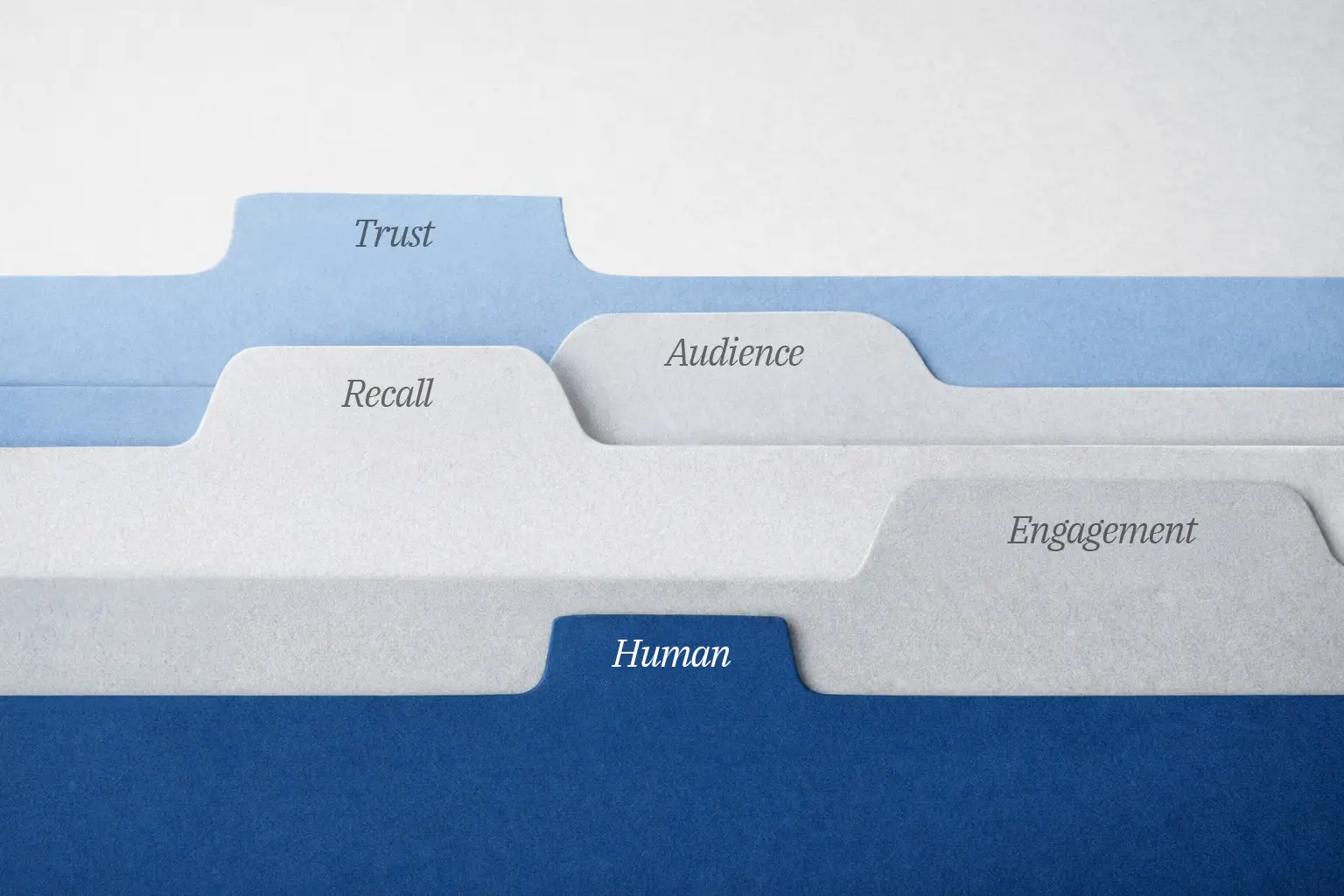
Builds Trust Quickly
Creators already have a loyal and engaged audience that values their opinions. When they talk about a product, it feels more believable, which helps your brand gain trust faster than traditional methods.
Expands Reach to the Right Audience
Instead of targeting a broad group, your message reaches people who are already interested in similar products or content. This makes your communication more relevant and effective.
Improves Brand Recall
Content shared through stories, reels, or videos feels more personal and less like an ad. This makes it easier for people to remember your brand over time.
Boosts Engagement
Influencer content usually receives more interaction in the form of likes, comments, and shares. This increases visibility and keeps your brand active in conversations.
Humanizes Your Brand
When a real person talks about your product, it adds a relatable and human touch. This makes your brand feel more approachable and easier to connect with.
These benefits work together to create steady visibility. Over time, your brand becomes familiar to people who may not have noticed it otherwise.
Step-by-Step Guide to Running Successful Influencer Marketing Campaigns
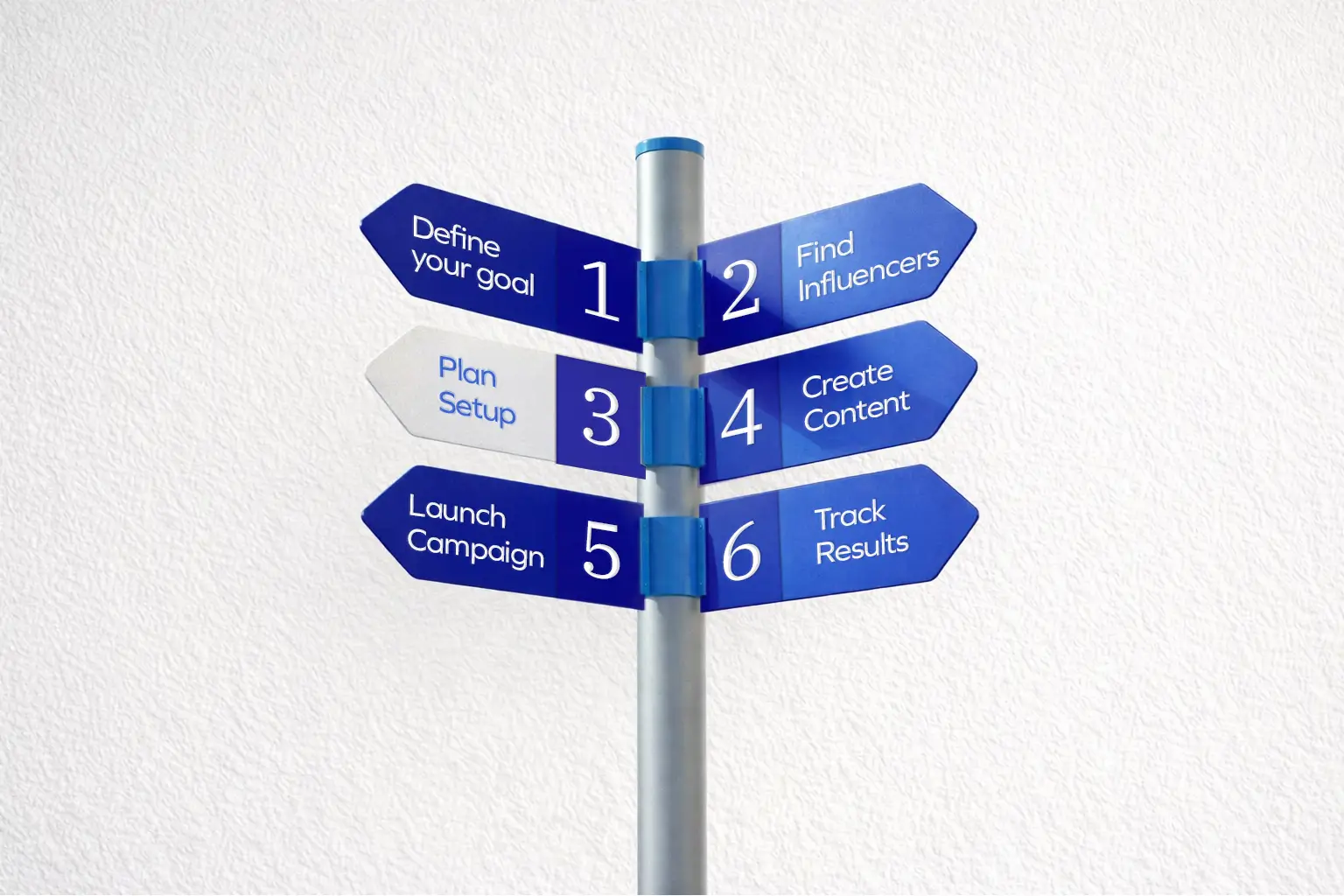
Influencer marketing is most effective when approached systematically. Each step ensures that your campaigns reach the right people and deliver meaningful results.
Step 1: Define Your Goal
The first step is to be clear about what you want to achieve. Are you aiming to increase brand awareness, drive engagement on social media, or generate traffic to your website? Your objective shapes the strategy, messaging, and type of influencer you choose.
Step 2: Find the Right Influencers
The next step is identifying creators whose audience matches your target market. It is more important to focus on relevance and engagement than follower count. A smaller, highly engaged audience can bring better results than a large, uninterested one.
Step 3: Plan the Collaboration
Decide how the brand will be featured in the creator’s content. This could be a dedicated post, a review, a video, a giveaway, or even a long-term partnership. Planning ensures that both the brand and influencer are aligned on the expectations and messaging.
Step 4: Create Content
Give influencers creative freedom to develop content in their own style. Audiences trust creators for their authenticity, so forcing a script can reduce impact. When influencers present the brand naturally, it feels more like a recommendation than a promotion.
Step 5: Launch the Campaign
Timing and platform choice are crucial. Share the content when your audience is most active and on channels where they are most engaged. This maximizes visibility and increases the chance of meaningful interactions.
Step 6: Track Results
Measure performance through metrics such as reach, engagement, click-throughs, and audience feedback. Tracking helps you understand which elements worked well and which need adjustment, providing insights for future campaigns.
By following these steps carefully, brands can create campaigns that feel authentic, reach the right audience, and deliver measurable impact.
Best Influencer Marketing Practices for Brands
Influencer marketing works best when executed thoughtfully. The best practices to follow include:
Choose influencers who genuinely align with your brand values
Prioritize authenticity over strict control of content
Focus on engagement, not just follower numbers
Build long-term relationships with influencers when possible
Give clear guidance but allow creative freedom
Track performance and use insights to improve future campaigns
Following these steps helps campaigns feel natural, engage audiences effectively, and build stronger brand trust.
Common Influencer Marketing Mistakes to Avoid
Avoiding these common mistakes can save time, budget, and effort. Usual pitfalls include:
Picking influencers solely for their follower count
Ignoring whether the influencer’s audience matches your target market
Over-controlling the content and limiting authenticity
Not defining clear campaign goals
Skipping performance tracking
Treating creator partnerships as a one-time activity
Brands that avoid these errors can run more effective campaigns, build credibility, and maintain long-term visibility.
Conclusion
Influencer marketing has reshaped how brands get noticed today. It works simply because people trust people over loud ads. When someone familiar talks about a brand, it doesn’t feel like a sales pitch; it feels genuine. Over time, that trust grows, and what starts as a small mention can turn into strong recognition. It’s a natural way to connect with audiences that actually feels human and relatable.
If you are looking to make influencer marketing work without the guesswork, Bold and Beyond can help you craft smart strategies, pick the right creators, and run campaigns that really click with people.
How do I know which type of influencer is right for my brand?
Choosing the right creator for collaboration depends on your goals and audience. If you want wide reach, larger creators like mega or macro influencers work. For trust and engagement, micro or nano influencers often deliver better results because their followers feel a personal connection.
Can influencer marketing work for small brands with limited budgets?
Absolutely. Smaller brands can partner with micro or nano influencers to reach highly relevant audiences. These creators offer authentic engagement, making your campaigns cost-effective and impactful without needing a huge advertising budget. Focus on niche relevance rather than sheer follower count.
How can I measure the success of an influencer campaign?
Track metrics like reach, engagement, click-throughs, and audience feedback. Look at how many people interacted, shared, or responded to the content. Comparing these results with your initial goals helps you see what worked and guides your next campaign strategy.